
Most plans fail on emotion before they fail on math.
These are the recurring patterns of mind that quietly undermine otherwise sound financial decisions. Each one is shown three ways: a picture to recognize it, a sentence to name it, and a simple diagram of how it works.

Loss aversion
A loss tends to sting about twice as much as an equal gain feels good, so we cling to what we hold and pass up better odds.
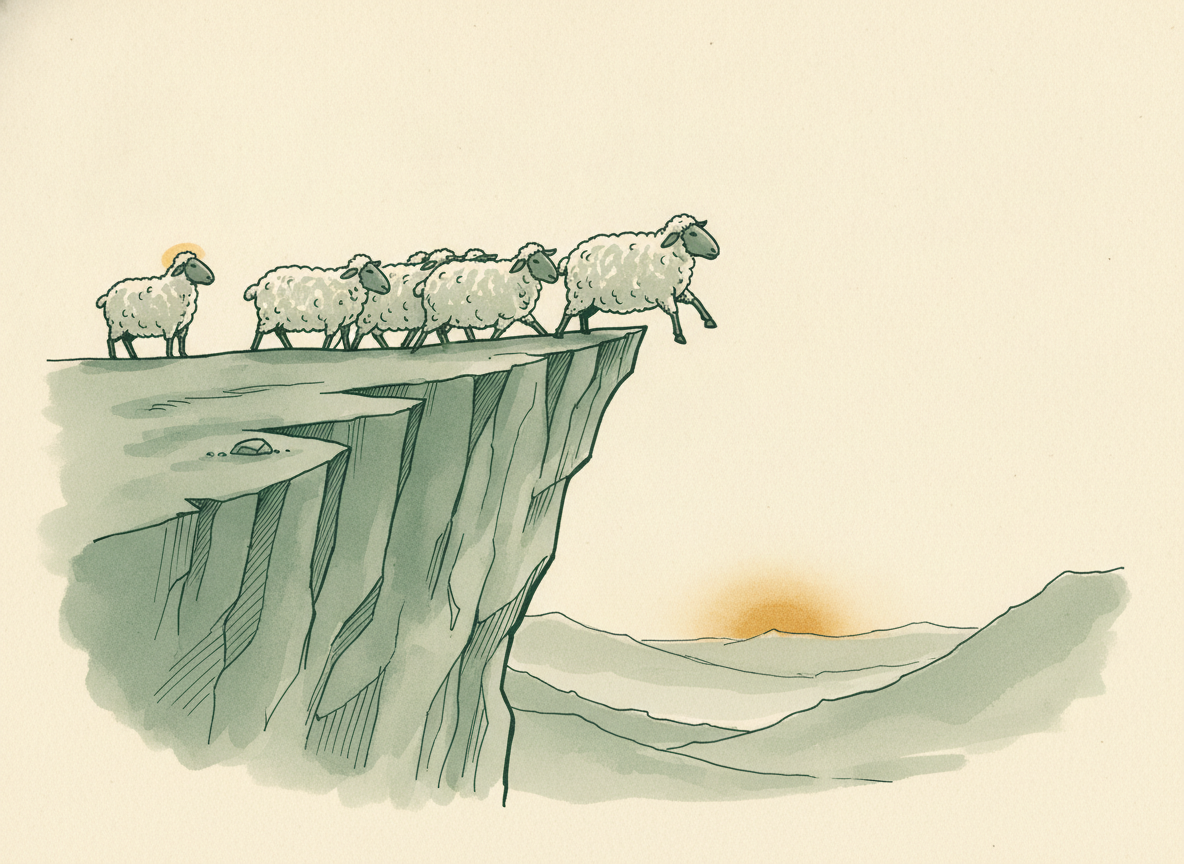
Herding
When everyone is moving one way, the pull to follow is strong, even when the crowd is heading for the edge.
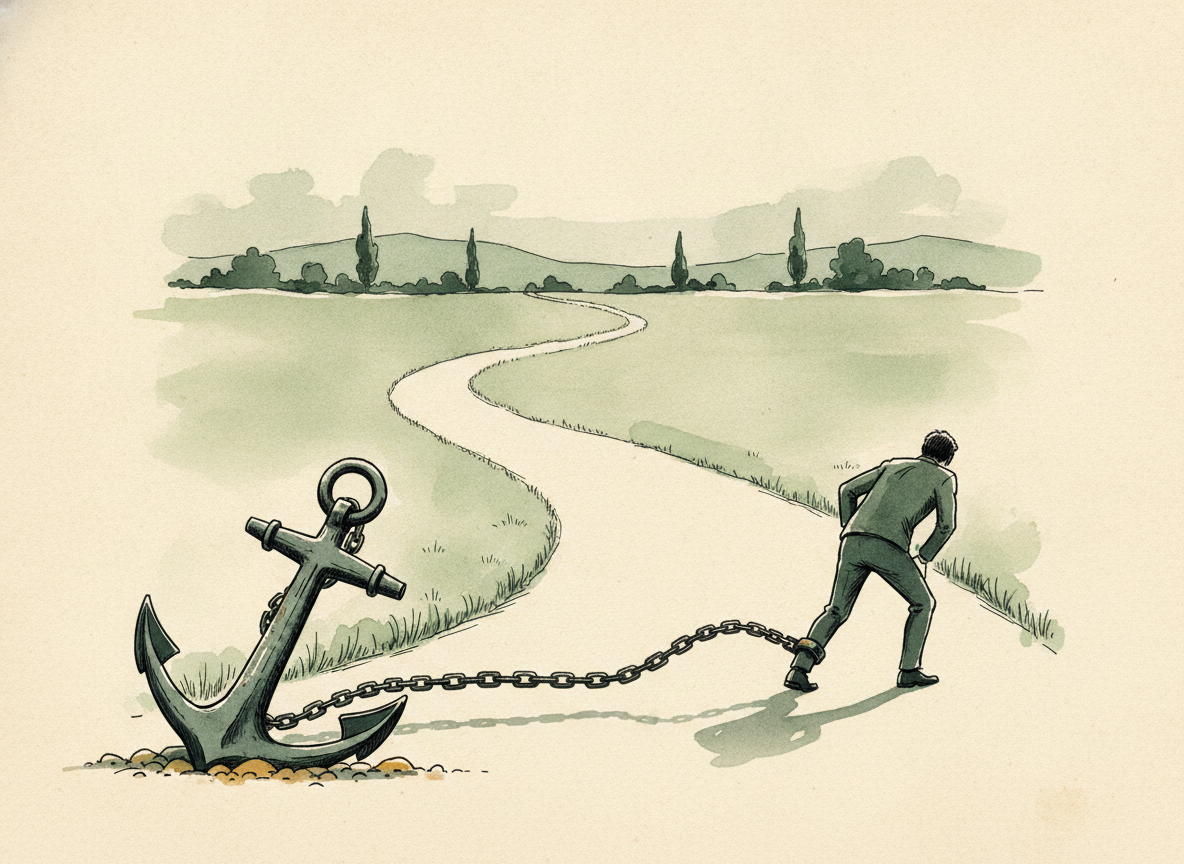
Anchoring
The first number you hear quietly sets the frame for every judgment that follows.
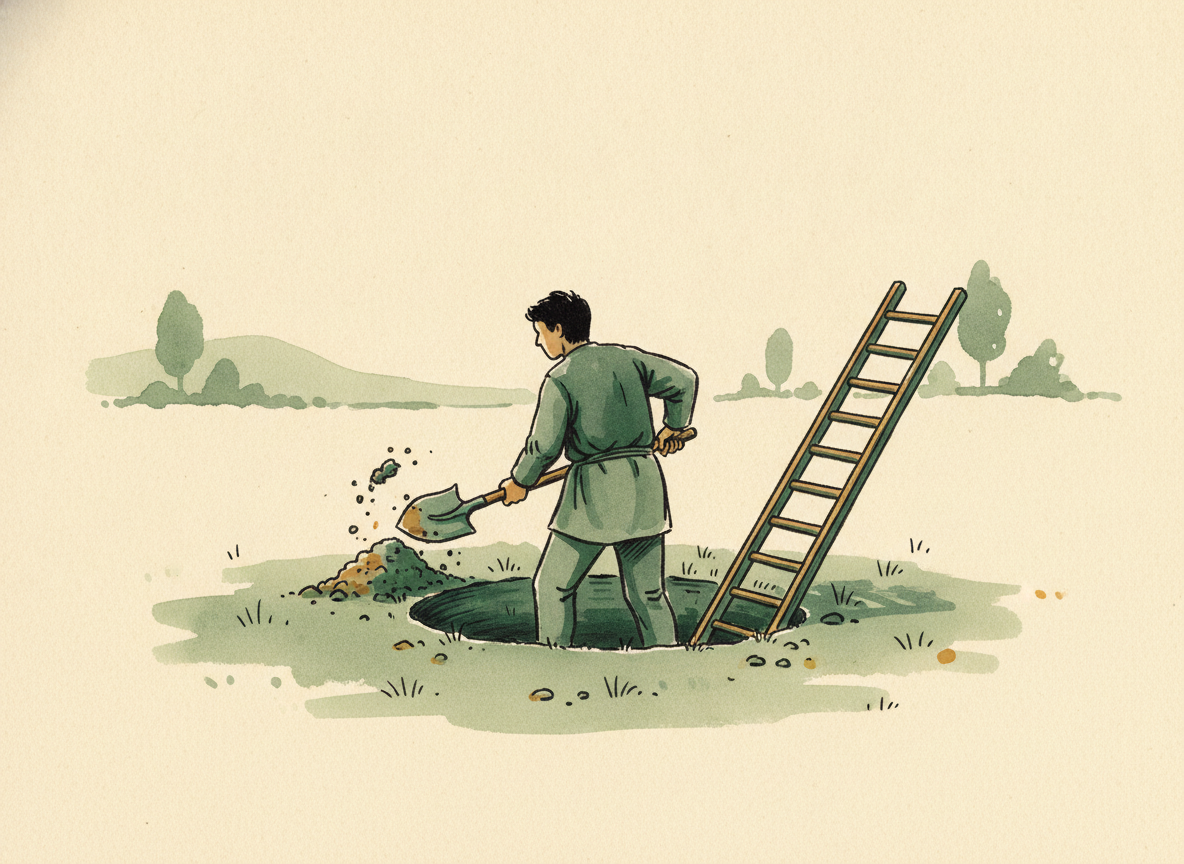
The sunk-cost fallacy
What is already spent is gone. Putting in more to justify it only deepens the hole.

Confirmation bias
We keep the evidence that agrees with us and quietly wave away the rest.

Recency bias
The most recent event feels like the whole story, so we plan for yesterday's weather.
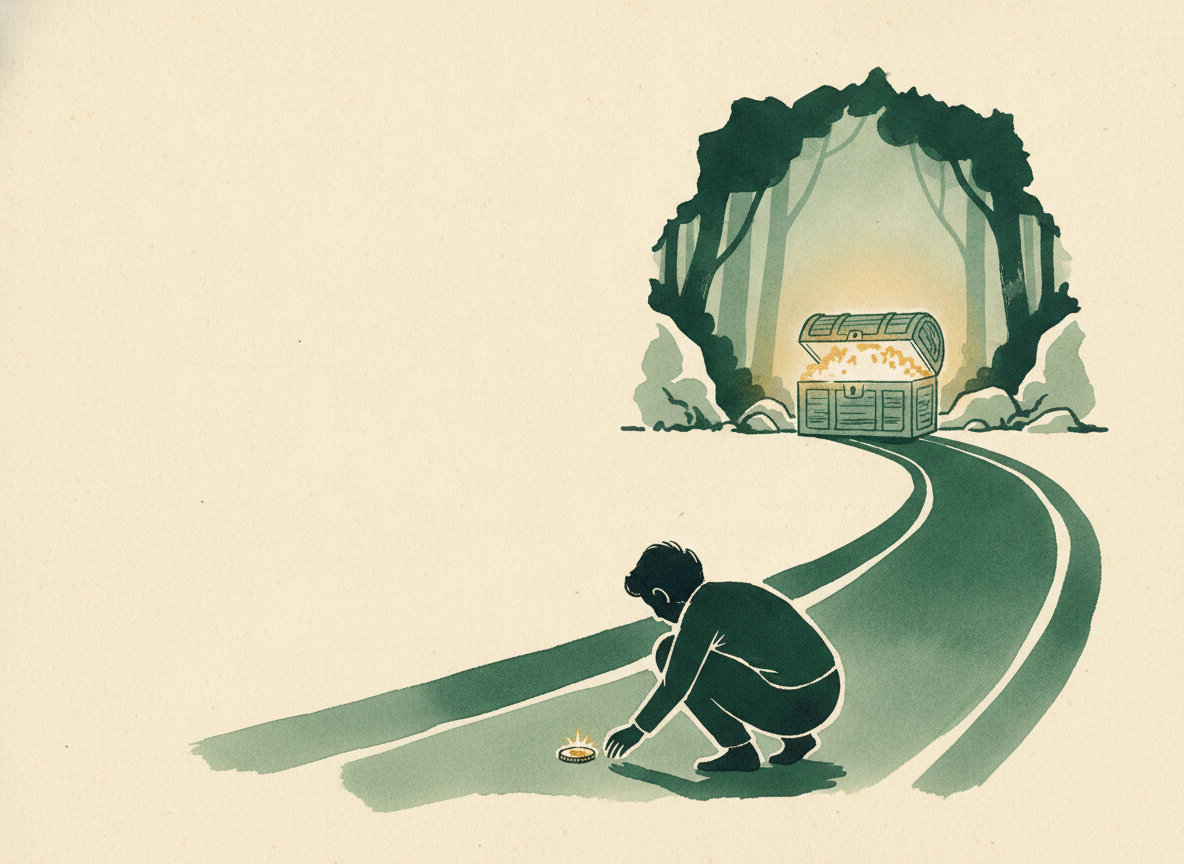
Present bias
A small reward now beats a larger one later far more often than it should.
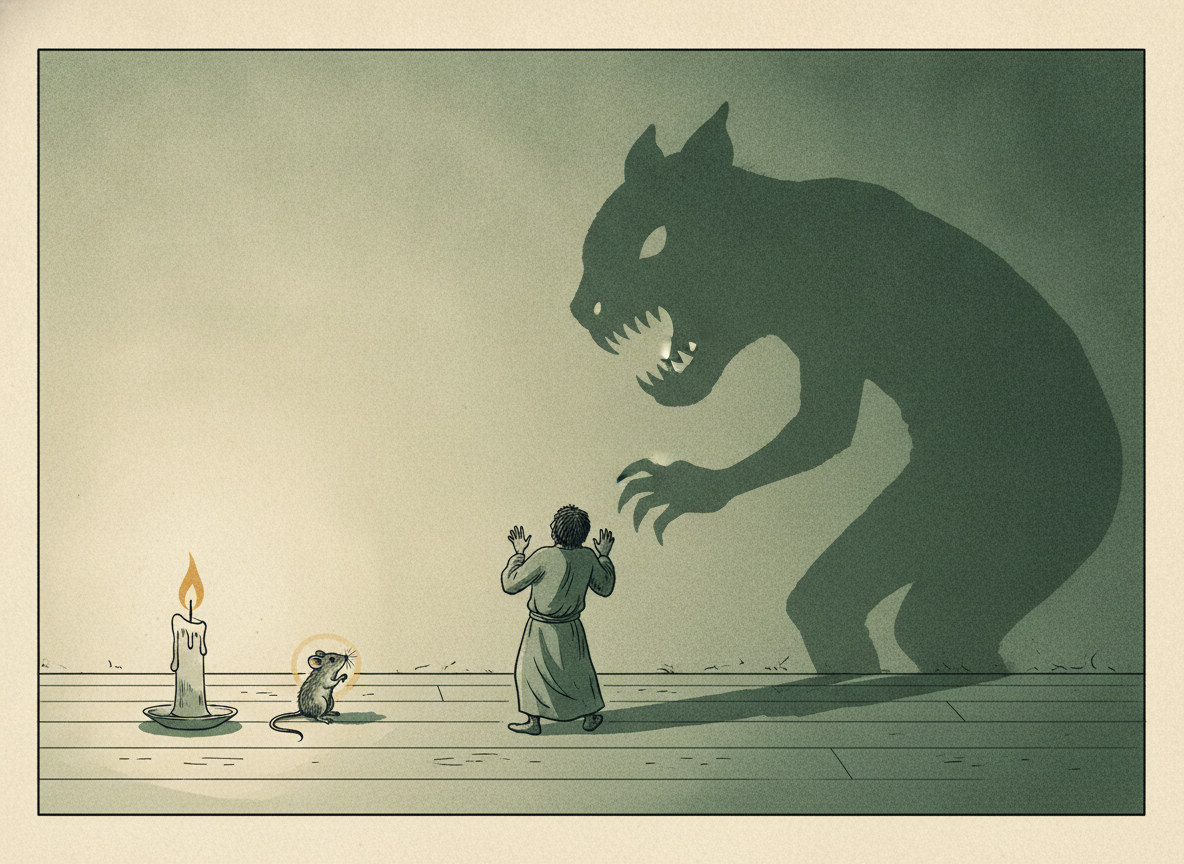
Availability bias
Whatever comes to mind most vividly feels most likely, even when it is rare.

Status-quo bias
Leaving things as they are feels safe, even when standing still has a cost.

Overconfidence
We tend to overrate how much we know and how much we control.
Naming a bias is easier than escaping it.
A good plan is built to work with these patterns rather than against them. That is most of what considered financial advice actually is.
Read more in the guide, or schedule a conversation.